Embroidery Stitch
The Cozy Touch of Hand-Stitched Typography
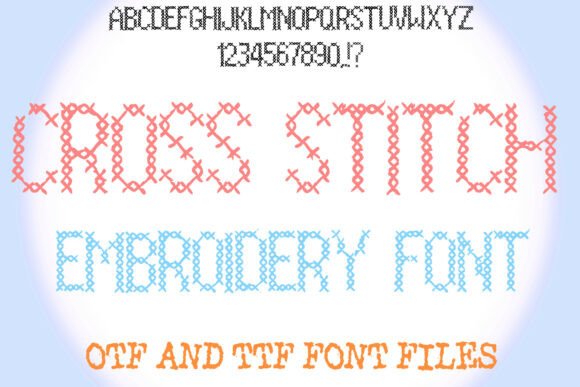
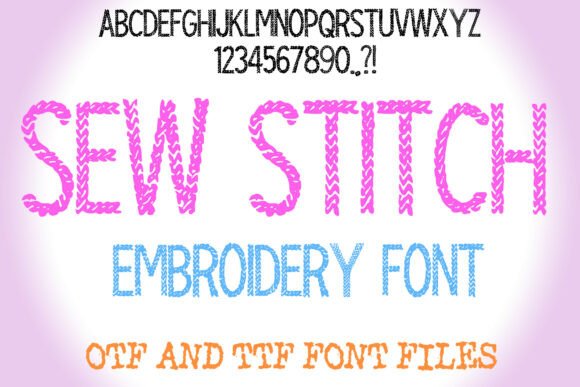
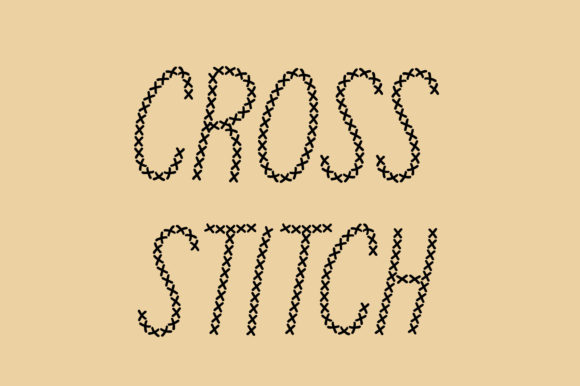
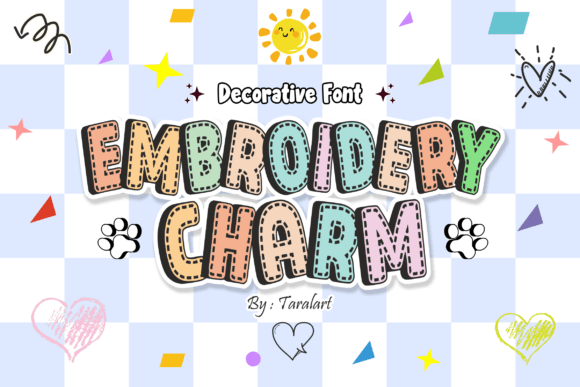
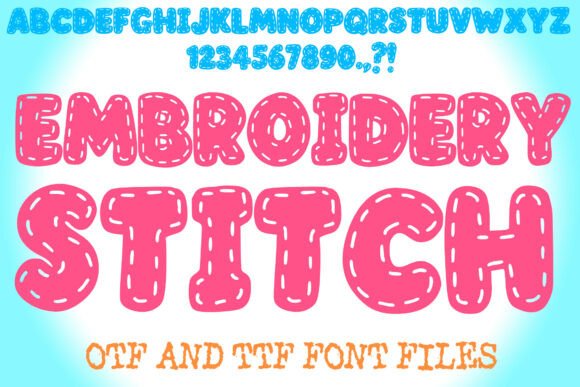
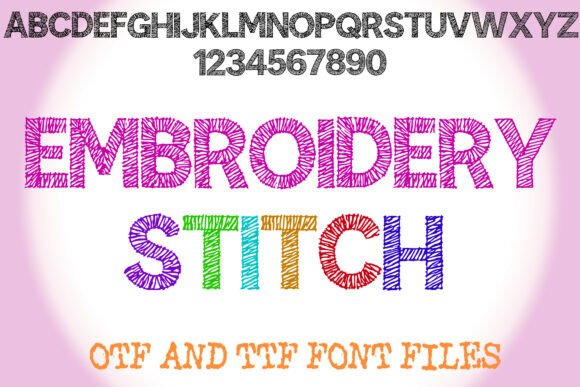
As a designer who works with both digital and physical embroidery, I’m always on the lookout for fonts that bring a tactile, handmade quality to my projects. Embroidery Stitch is one such font that immediately caught my eye. It’s not just another digital font—it’s a machine embroidery design that feels like it could be stitched by hand. Each letter is composed of textured thread-style lines that mimic real stitches, giving it a unique visual personality that stands out in a world of flat, uniform typography.
A First Impression That Feels Real
At first glance, Embroidery Stitch evokes the warmth and texture of a hand-stitched quilt or a vintage embroidered pillow. The thread-style lines add depth and dimension, making each character feel like it could be pulled from a sewing basket. This level of detail is especially appealing for those who want to infuse their projects with a sense of craftsmanship and care.
The font has a gentle, inviting mood—perfect for projects that aim to create a cozy, personal touch. Whether it’s a custom tote bag, a baby blanket, or a holiday gift, Embroidery Stitch brings a subtle warmth that feels right at home in handmade products.
Real-Life Use: A Custom Tote Bag Project
Let’s imagine a scenario: I’m preparing a custom embroidered tote bag for a local craft fair. The client wants something simple but meaningful—a name stitched in a way that feels personal and intentional. Embroidery Stitch fits this perfectly. The textured lines add interest without overwhelming the design, and the overall look is approachable and friendly.
I’d start by testing the embroidery file on scrap fabric to see how it performs. The stitch density is moderate, which is ideal for most fabrics. However, I’d also consider the hoop size—this font might require a slightly larger hoop than typical block letters, so it’s worth checking before purchasing.
Another thing to keep in mind is thread color contrast. Since this font relies heavily on texture, using a contrasting thread color can make the design pop. On light-colored fabric, a dark thread will stand out, while on darker fabric, a lighter thread might be better. Testing in black and white mockups can help determine the best color combinations before committing to a final design.
Where to Use with Care
While Embroidery Stitch is versatile, there are situations where it may not perform as well. For example, on thin or stretchy fabrics, the texture might become less defined or even distort during stitching. Similarly, small hoop sizes can cause the design to appear cramped, reducing the visual impact of the thread-style lines.
Projects that involve layered garments or curved surfaces like caps and hats also require careful consideration. The detailed corners and dense stitch areas may not translate well to these surfaces, potentially leading to uneven stitching or a loss of definition. In such cases, I’d recommend scaling the design down or using a different font for the main text.
For personalized gifts like baby clothes or holiday items, Embroidery Stitch adds a charming, handcrafted feel that customers will appreciate. However, it’s important to ensure that the design remains legible, especially on smaller items. Tiny lettering or dense stitch areas can sometimes make the text difficult to read, so it’s always wise to test the design on a sample first.
Design Impact: Visual Appeal and Product Value
The visual appeal of Embroidery Stitch is undeniable. Its textured lines add a layer of complexity that elevates the overall look of any project. This can be especially valuable for small shop products or Etsy listings, where the difference between a generic design and a unique, handcrafted one can make all the difference in customer perception.
From a brand consistency perspective, using Embroidery Stitch across multiple products can help create a cohesive brand identity. Whether it’s a line of custom apparel, decorative patches, or printable mockups, the font’s consistent style ensures that each item feels part of a larger collection.
For commercial embroidery, the font’s versatility makes it a strong contender. It works well on both custom apparel and decorative accents, offering a balance between artistic expression and practical use. However, it’s essential to confirm licensing details before selling finished products or digital assets, as this can vary depending on the vendor.
Practical Designer Notes
- Test on scrap fabric before committing to a final product.
- Check thread color contrast to ensure visibility on the chosen fabric.
- Review stitch density to avoid over-stitching or under-stitching.
- Confirm hoop size to prevent distortion or compression of the design.
- Inspect small details like corners and edges for clarity and precision.
- Test in black and white mockups to assess the design’s structure.
- Compare light and dark fabric backgrounds for optimal results.
- Use proper stabilizer to maintain fabric integrity during stitching.
- Check whether the design works for both personal and commercial use.
- Confirm licensing before selling finished items or digital products.
Final Thoughts on Embroidery Stitch
Embroidery Stitch is a thoughtful, textured font that brings a sense of craftsmanship to any project. While it may not be the best choice for every situation, it shines in contexts that value a handcrafted, personalized touch. From holiday embroidery to custom apparel, this font offers a unique blend of artistry and functionality that can elevate your handmade product or digital design asset.
Ultimately, the key to success with Embroidery Stitch lies in understanding its strengths and limitations. With careful planning and testing, it can become a powerful tool in your creative arsenal, helping you deliver designs that feel both professional and deeply personal.